Public Education

Why Climate Literacy Should Be Mandatory in Schools Worldwide

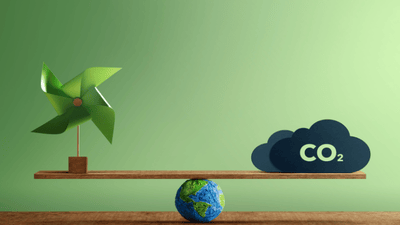
Climate change is no longer a distant threat; it is an immediate reality impacting people, ecosystems, and economies across the globe. The increasing frequency and severity of extreme weather events, rising sea levels, and shifting climate patterns underscore the urgency for collective action to mitigate and adapt to this global challenge.

What Makes Ecotourism Truly Sustainable? Greenwashing vs. Genuine Impact

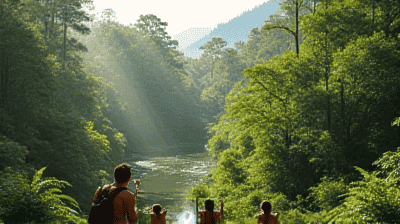
Ecotourism has gained remarkable popularity over the past few decades as travelers become increasingly aware of their environmental impact. Defined as responsible travel to natural areas that conserves the environment, sustains the well-being of local people, and involves interpretation and education, ecotourism promises numerous benefits.

Tracking Plastic Waste: Global Citizen Science Projects Fighting Ocean Pollution

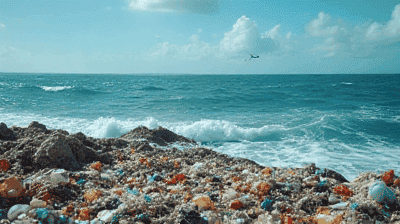
Plastic pollution has emerged as one of the most pressing environmental challenges of our time, severely impacting marine ecosystems, wildlife, and human health. With millions of tons of plastic debris entering the oceans each year, tracking and mitigating this pollution is critical.

The Role of Museums and Science Centers in Advancing Environmental Education

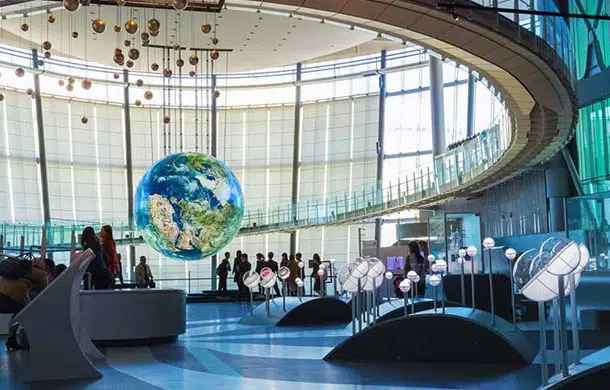
Museums and science centers serve as vital cultural institutions that engage millions of visitors each year. They provide a space for exploration, discovery, and learning, often focusing on the sciences, the arts, and history.

How to Start a Community Climate Action Group in Your Neighborhood

Climate change is one of the most pressing challenges of our time, requiring collective efforts from individuals, communities, and governments worldwide. Local action can have a significant impact, and starting a community climate action group is a powerful way to engage your neighbors, raise awareness, and promote sustainable practices.
Voluntourism Done Right: How to Choose Ethical Environmental Projects

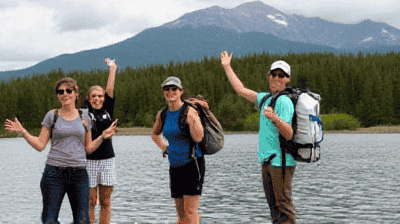
In today's interconnected world, travel is no longer solely about leisure or adventure; it has evolved to encompass a deeper sense of responsibility towards the environment and local communities. Voluntourism—a blend of volunteer work and tourism—offers travelers the chance to engage in meaningful projects while exploring new destinations.

Air Quality Monitoring at Home: How Citizen Scientists Are Filling Data Gaps

Air quality has become a pressing public health concern, particularly given the increasing pollution levels in urban areas and the known health impacts of poor air quality. While various governmental and environmental organizations conduct air quality monitoring, there are still significant gaps in the data necessary for understanding local conditions.

Carbon-Neutral Travel: Is It Possible, or Just Another Marketing Gimmick?

The travel industry has undergone tremendous changes in recent years, driven by a growing awareness of environmental issues and the urgent need to address climate change. As travelers become more conscious of their carbon footprints, the concept of "Carbon New Travel" has emerged.

From Textbooks to Action: How Schools Are Implementing Real-World Sustainability Projects

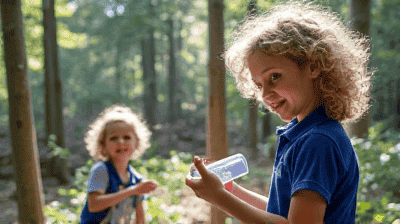
As global awareness of environmental issues continues to rise, schools around the world are beginning to shift their educational practices from traditional classroom-based learning to real-world sustainability projects.

How Marine Protected Areas Benefit Both Wildlife and Local Economies

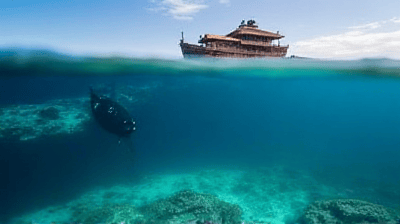
Marine ecosystems are some of the most diverse and vital habitats on our planet, providing essential services that support life both in and out of the water. However, these ecosystems face numerous threats, including overfishing, pollution, climate change, and habitat destruction.

  • 1
  • 2
  • 3